

Most of us have heard about SMART goals, but what about SMART bullets in a resume?
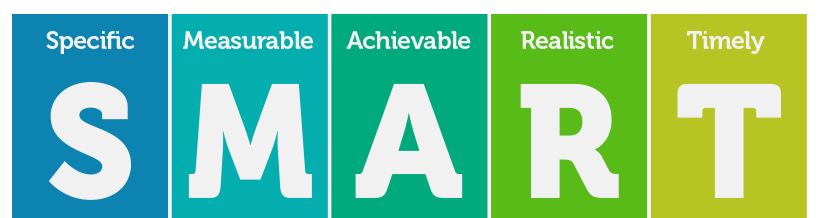
If you have not heard of the term SMART goal, know that it is a more effective way to set personal and professional goals. SMART is an acronym meaning the goal must be Specific, Measurable, Achievable, Relevant and Timely.
For example, saying “I want to lose some weight,” is a goal, but what is success? How do you determine when you are done? What is a great outcome versus an average outcome? When should I start, tomorrow…next week? A better way to state the goal is, “I want to lose five pounds before July 1st.”
This is an example of a SMART goal:
Specific – Want to lose five pounds of weight
Measurable – Five Pounds is measurable on a scale
Achievable – July 1st is three months away, so losing 1.67 pounds a month is pretty doable
Relevant – Bathing suit season is coming, and I want to be sure that I look my best
Timely – I have a date on the calendar (July 1) that I can hold myself accountable to, ensuring there is finish line helps people who like to procrastinate
This is a concept that is pretty well known in the business world, but ensuring that we are all on the same page, I thought it was important to provide a quick overview, so it can be applied to our resume.
When you are writing your resume as SMARTly as possible, you are ensuring that the recruiter is going to be both impressed and increasing the chance that he/she will call you for an interview.
We will take it one letter at a time.
Specific
When it comes to numbers and bullets that are quantifiable, work to make the bullets specific, For example, if you write
- Managed a team of people in daily tasks
How many people did you manage? Write the number of people you managed. This will help the recruiter understand the level to which your leadership has been tested. It helps the recruiter know if you are qualified, or perhaps over/under qualified for the role to which you are applying.
If you are in a sales or project management role, numbers matter right? You need to be winning business and increasing revenue, or finishing milestones on time and on budget. If the numbers matter for you on a daily basis while in the role, then of course those numbers matter when someone is trying to evaluate whether to hire you into a similar or larger role.
Measurable
How did you help the bottom line? Abstract bullets like this are great examples of ones that are not measurable and probably not helping your resume too much.
- Strove to create a more positive work environment
At the end of the day, this bullet tells me the applicant tried to make things better around the office. A better way to write this bullet would be:
- Improved optimism in office by creating and employee engagement program that measured an increase in office’s morale by 10% over the course of last year
I certainly understand that you won’t be able to quantify and measure every bullet. However, you can ALWAYS ask the question, was this measurable, when constructing a bullet to ensure an opportunity is not being missed to impress the recruiter and hiring manager. This is also a great example of why it is important to be constantly updating your resume while you are working, ensuring you have the most accurate account of all your “victories” at work.
Achievable
What did you specifically achieve, while in each of your previous roles? How were your accomplishments different than your peers? What did you do that was so good, and not just a “copy and paste” of a bullet on your job description?
Focusing on that last point first, I read resumes daily, and often notice that many read like a job descriptions. For example, I see something like this frequently for sales roles.
- Cultivated relations with new customers
You can see that if this was in a job description, it would fit just as well as it does in a resume? When I read this, I see, “took people out golfing, and brought food to their offices… like every other person in a sales role.”
If you were applying to a role with this in the job description, I am pretty sure the hiring manager would let you know what he/she expects from you in terms of new business and revenue to the company. In general, you should be told or certainly ask, what the expectations are for a new sales person in this role.
Here is how I would write this same bullet
- Grew the business by 20% over 12 months, by acquiring 5 new customers and obtaining 13% more business from existing customers
This sounds like someone that knows their numbers, and knows how to sell. With this in mind, think about your own role and what you have done that would be more impressive than just listing your job descriptions bullets on a sheet of paper. Anyone can do that, and frankly most people do, this is where you can really separate yourself from the “pack.”
Relevant
This one is probably the most important. So important that I have written an entire article about just this concept. Your resume bullets MUST be relevant for the role to which you are applying.
I was a navigator on KC-130s while I was in the Marine Corps. I need to make sure I put that job on my resume, because it makes up about 5 years of my career, and I don’t want to skip years leaving a recruiter wondering what I did during those 5 years, but if I am applying to a role having anything to do with staffing, is my experience as a Navigator at all relevant? The answer is no. Yes, it is an impressive thing to have on my resume, and it was an amazing job while I did it, but it in no way makes me more qualified to be a Staffing Manager.
So if you have things like this in your past, make sure you cover them, but don’t spend more than 3 bullets describing what you did.
Make sure when you apply to a role, that each job description bullet is covered by at least 1 resume bullet that matches the specific need. If a requisition says, candidate must have experience using SAP based ATS (Applicant Tracking Systems). Don’t leave your resume bullet in there as:
- Worked with various Applicant Tracking Systems
Instead after fulling reading the job description change the bullet (if it is true) to say:
- Worked with SuccessFactors, an SAP based Applicant Tracking System for over 3 years
This will help ensure the recruiter can see that you are qualified and not have to guess, if you are qualified. As a recruiter, I will assume you don’t have SAP experience if I read the first bullet, because you obviously would have told me you did have exactly what I was looking for, so I can call you. Truthfully though, most people just apply to a bunch of jobs and don’t take the time to match their resume to the job.
In a highly competitive job market, I can guarantee the person who follows this rule will get the call over someone who doesn’t, even if they came from the same company with the same experience. Take the time to answer the questions the recruiter has, before they even ask them.
For more on writing a resume and cover letter for a specific job, these previous articles may help further:
Timely/Time bound
This is a good guide for both your resume bullets and the application process.
When it comes to your resume bullets, be sure to put milestones in there to mark how long it took to obtain certain achievements. If you are a project manager, and the length of the project was 1.5 years that would be good to know, as it helps the recruiter to understand the scope of the project.
Next, when you apply to a job, do it as soon as you see it. Don’t rush through the application and submission of your resume, but be sure you apply today, not tomorrow and here’s why.
When recruiters post jobs, they are more active in reading applicants in the immediate days following the posting, and as soon as they find a couple people that are a strong fit, they might stop reviewing resumes all together, and then just focus on interviewing and processing the two that they have. I am not a fan of this practice, but in the interest of time, sometimes it is the best way to ensure a recruiter is meeting the company’s hiring needs.
If you find the job today, and then apply in a couple of days from now, once you have the time to really customize your resume to the position, you might never get your resume read. When you are looking for a job, and don’t have a job, you need to treat finding a new job as a full-time job. I’ll write that one more time.
When you are looking for a job, and don’t have a job, you need to treat finding a new job, as a full-time job!
Does that make sense? If your boss asked you for something immediately, would you take a few days or would you do it now? Now that you know the sooner the resume gets submitted the better chance you have of being noticed, you know this must be your priority when job hunting.
Remember, it’s not always going to be possible to follow the above format, but if you write your resume with this model in mind, your resume will be a much stronger reflection of the skills you actually bring to the table, and hopefully getting you in front of the decision maker, so you can impress them with your interview and get the job!

 howtogetthejob.blog